
Understanding
Bonding is not a single moment. It is something that grows — and it can begin long before your baby is born.
During pregnancy
Talk to your baby. Your baby can hear your voice from around 18 weeks. Talk, sing, read aloud. It does not matter what you say. Your voice is already familiar and comforting.
Respond to movements. When your baby kicks or moves, place your hand on your belly and respond — talk, tap gently, breathe slowly. This is the beginning of a conversation.
Learn about your baby. Attending antenatal visits, seeing your baby on an ultrasound, and learning about how they are developing all help you begin to think of your baby as a person — which is the start of attachment.
Take care of yourself. Eating well, resting, and reducing stress are all ways of caring for your baby too. Looking after yourself is an act of love.
After birth
Skin-to-skin contact. Holding your baby against your bare skin in the first hours and days after birth helps regulate their temperature, heartbeat, and breathing — and releases hormones in both of you that support bonding. Even if birth did not go as planned, skin-to-skin can happen when you are ready.
Look at your baby. Eye contact is powerful. When you look at your baby and they look back, connection is forming — even in the earliest days.
Respond to their cues. You do not need to understand everything your baby is communicating. Simply noticing — and responding — builds trust. Picking them up when they cry, feeding them when they are hungry, soothing them when they are unsettled. These small acts repeated every day are what bonding is made of.
Talk, sing, and narrate. Tell your baby what you are doing. Sing to them. Hum while you feed them. Your voice remains the most familiar and reassuring thing in their world.
Touch and carry. Holding, carrying, stroking, and massaging your baby all strengthen the bond between you. Physical closeness matters.
If bonding feels difficult
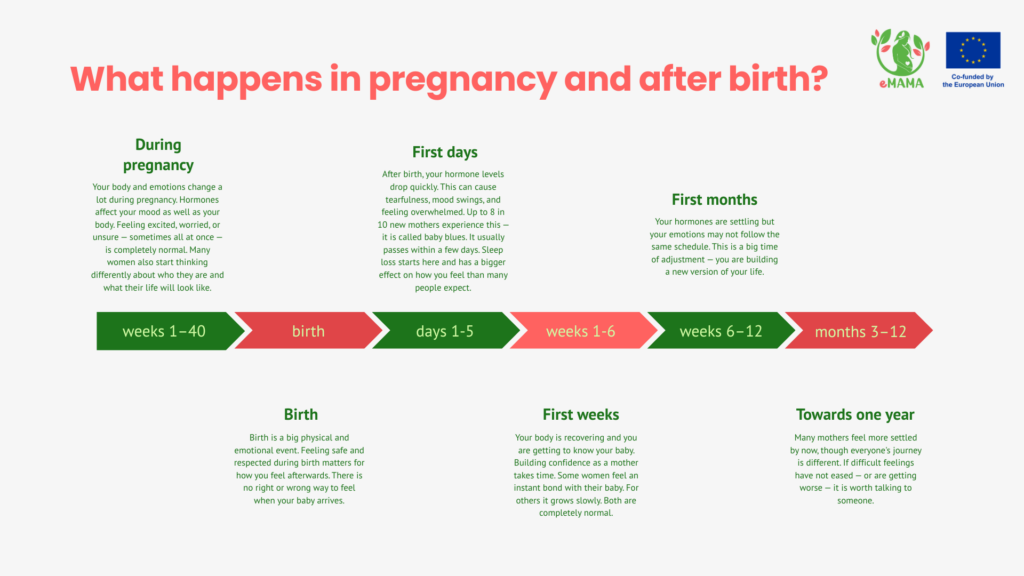
Not every mother feels an instant rush of love. For some it comes gradually — over days, weeks, or even months. This is normal and does not mean something is wrong with you or your baby.
If you feel little connection to your baby and this worries you, talk to a health worker. It may be a sign that you need some extra support, and that support is available.

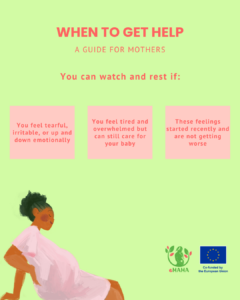
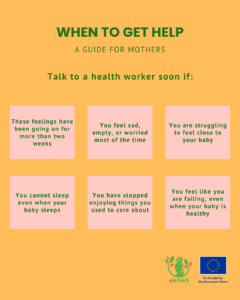
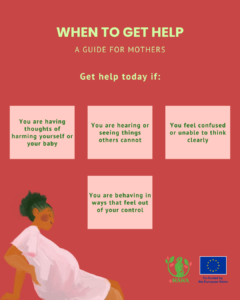
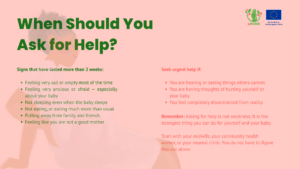
Knowing when to seek help
Your community and you
A short film about how your culture and your healthcare can work together.
A short film about why no mother is meant to walk this road alone.